Accelerate cash conversion
Bring cash forward from approved receivables instead of waiting through extended payment terms.
Receivables liquidity
Long customer terms can make a growing business cash-poor. Factoring converts eligible invoices into immediate liquidity so cash can move closer to the speed of sales.
Discuss this solutionWhat it is
Under a factoring arrangement, eligible accounts receivable are sold or assigned to a factor. The factor advances an agreed portion of the invoice, the customer pays according to the notice and payment instructions, and any applicable reserve is released after collection, less agreed fees and adjustments.
Business impact
Bring cash forward from approved receivables instead of waiting through extended payment terms.
Use liquidity for inventory, payroll, freight, suppliers and the next order without relying only on fixed bank lines.
A receivables-based facility can expand as eligible invoice volume grows, subject to the program terms.
Depending on structure, the factor may contribute customer analysis, collections and defined credit-risk protection.
Solution design
The seller retains specified nonpayment risk and may be required to repurchase or replace uncollected receivables.
The factor assumes defined credit risks on approved buyers; disputes, dilution and other exclusions generally remain with the seller.
Financing and administration for receivables where seller and customers operate in the same market.
Structures for export receivables that account for jurisdiction, currency, assignment, collections and country risk.
How the flow works
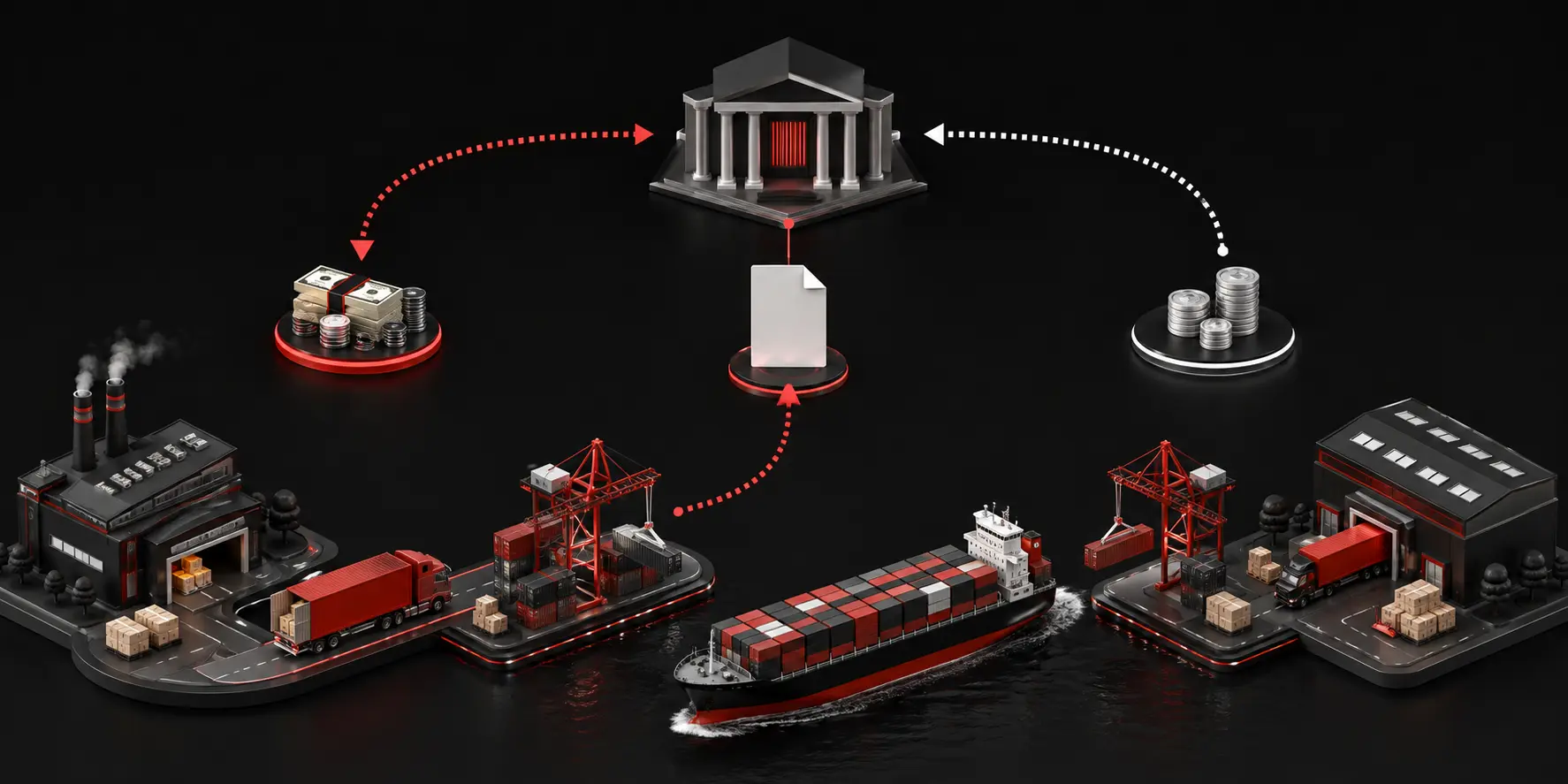
Review aging, customer quality, dilution, disputes, concentrations, terms and invoicing practices.
Align advance mechanics, reserves, pricing, recourse, concentration limits and eligibility with the business.
Eligible invoices and supporting performance evidence are submitted, verified and funded under the agreed process.
Customer payments are applied, fees and adjustments are reconciled, and any remaining reserve is released.
Strong fit
Start a conversation
Share your receivables, customers, payment terms and objectives. TSI will help you identify the most effective path forward.